

Manning College of Information and Computer Sciences
All aspects of life in the 21st century depend critically on computing. The college is committed to a vision of computing for the common good, where future leaders help solve society's problems ethically and responsibly.
Deploying computing for the common good
Faculty and students at Manning College of Information and Computer Sciences (CICS) understand the critical role played by computing in the worldwide economy, national connectivity, local interaction, and individual experience.
Increased investment in the college will expand their capacity to assess and respond to the social, legal, political, and economic implications of technology.
Shaping the ethical future of computer science
As the pace of new technology and the need for a tech-savvy workforce accelerates, Manning CICS seeks to expand transformative learning experiences for students, support innovative research, and advance the safety, fairness, and ethical use of technology.
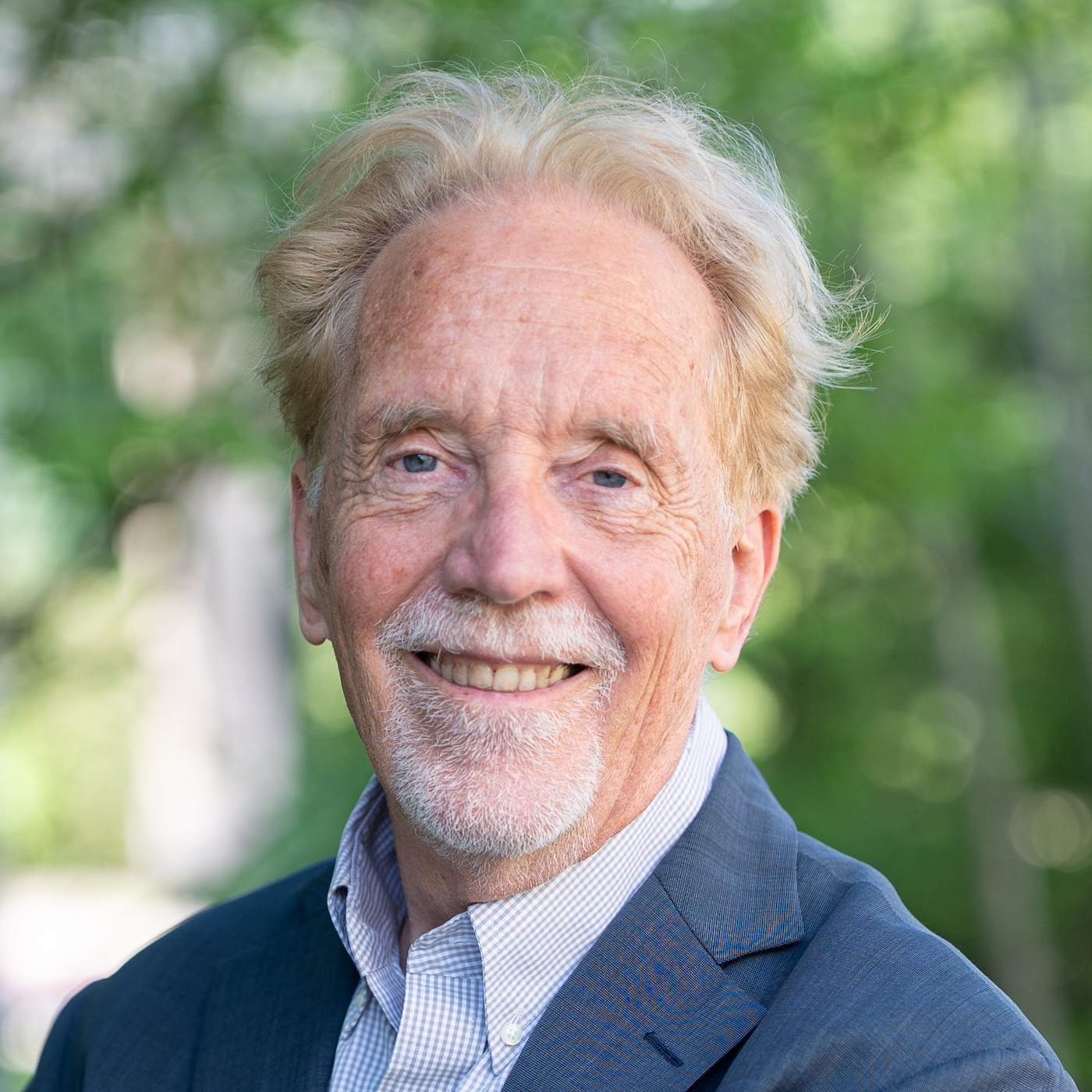
“Computing is deeply woven into every aspect of our lives. It is imperative that we collaborate across disciplines to shape more ethical applications of technology across society and address the challenges that future advancements will bring. Equally important is our responsibility to design technology that individuals are eager to use.”
Manning College of Information and Computer Sciences
Campaign Progress: $61,500,000
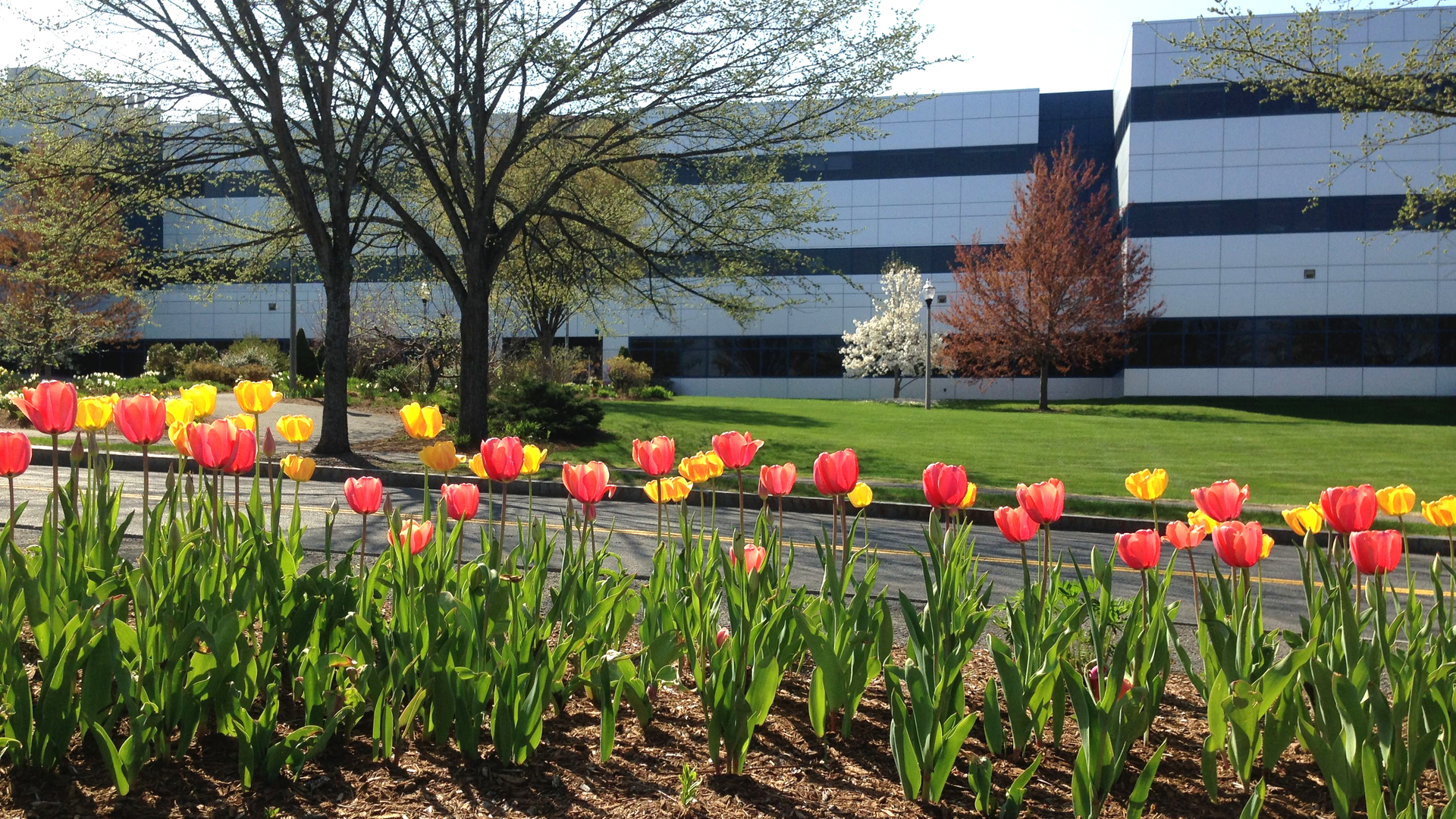
Reducing society’s carbon footprint through computing
A multi-institution team led by Distinguished Professor Prashant Shenoy has received $12 million from the NSF to develop computational decarbonization, a new branch of computer science and engineering that seeks to automate decarbonization across the electrical grid, the built environment, transportation, and computing itself.

Building the Internet of the Future
Manning CICS and College of Engineering researchers have joined the National Science Foundation’s Center for Quantum Networks. The team is leading the effort to design infrastructure to support future city-scale quantum networks.
All Giving Opportunities
- Athletics
- College of Education
- Riccio College of Engineering
- College of Humanities & Fine Arts
- College of Natural Sciences
- College of Social and Behavioral Sciences
- Commonwealth Honors College
- Fine Arts Center
- Graduate School
- Isenberg School of Management
- Manning College of Information and Computer Sciences
- Marieb College of Nursing
- School of Public Health and Health Sciences
- University Libraries